Get in touch
Database management is the process of organizing, storing, and securing data to ensure easy access, high performance, and reliability. It helps businesses manage information efficiently, support applications, and make data-driven decisions.
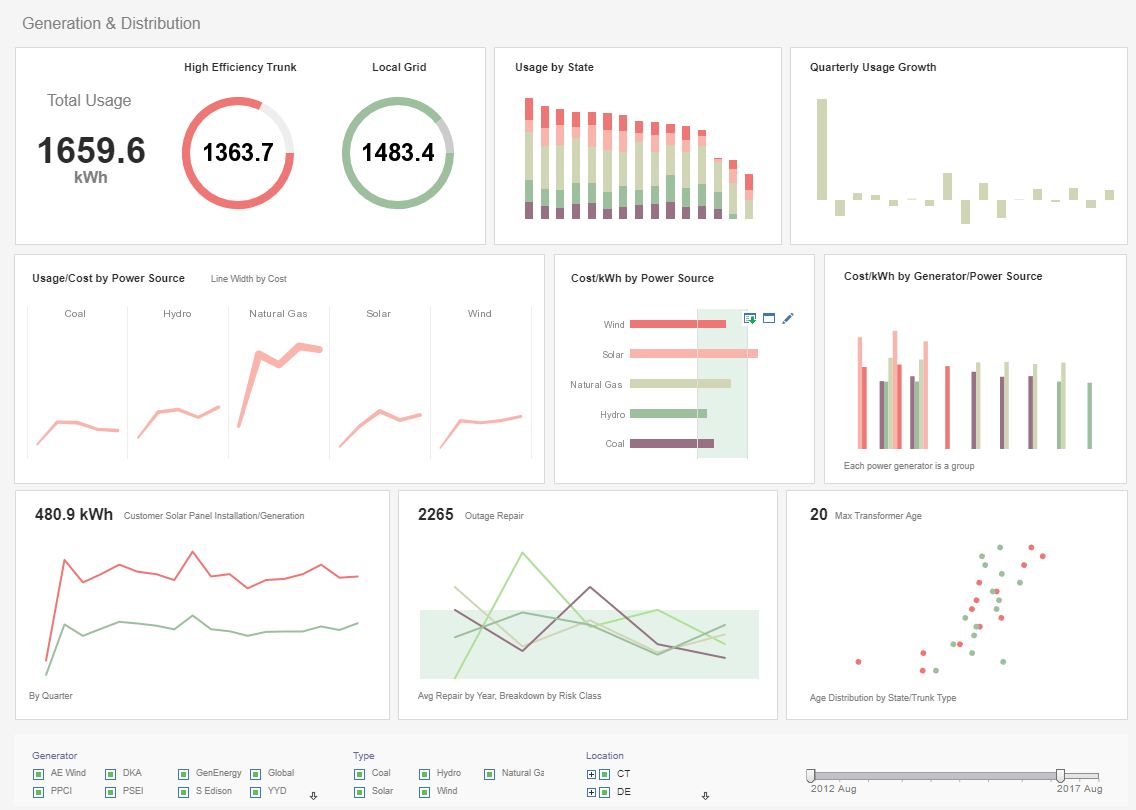


Database management is the process of organizing, storing, and maintaining data so it can be accessed quickly, securely, and efficiently. In today’s digital world, businesses rely heavily on data to make decisions, improve services, and understand customer behavior.
A strong database system ensures that information remains accurate, protected, and available whenever needed.
Database management involves using specialized software to collect, store, and manage data in a structured format. These systems help prevent data loss, reduce redundancy, and improve overall performance.
Popular database technologies include MySQL, PostgreSQL, and MongoDB, each designed to handle different types of applications and workloads.
Primary Goals:
Ensure data accuracy
Enhance security
Improve accessibility
Support scalability
Enable faster data processing
Advanced permission controls and encryption help protect sensitive information from unauthorized access.
Optimized databases process large amounts of data quickly, ensuring smooth application performance.
Automated backups allow businesses to restore data in case of accidental deletion or system failure.
Modern databases grow alongside your business without compromising speed or reliability.
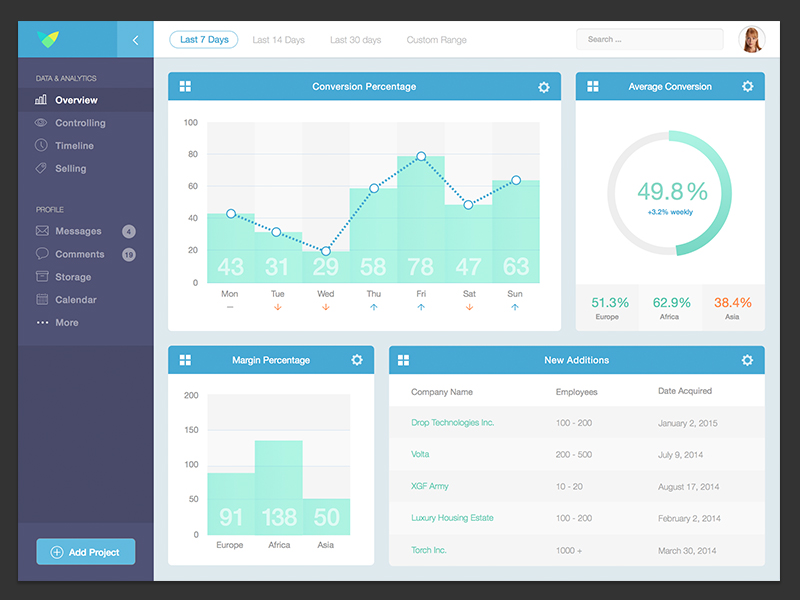


Database dashboards provide a centralized interface to monitor system health, manage queries, and track performance metrics.

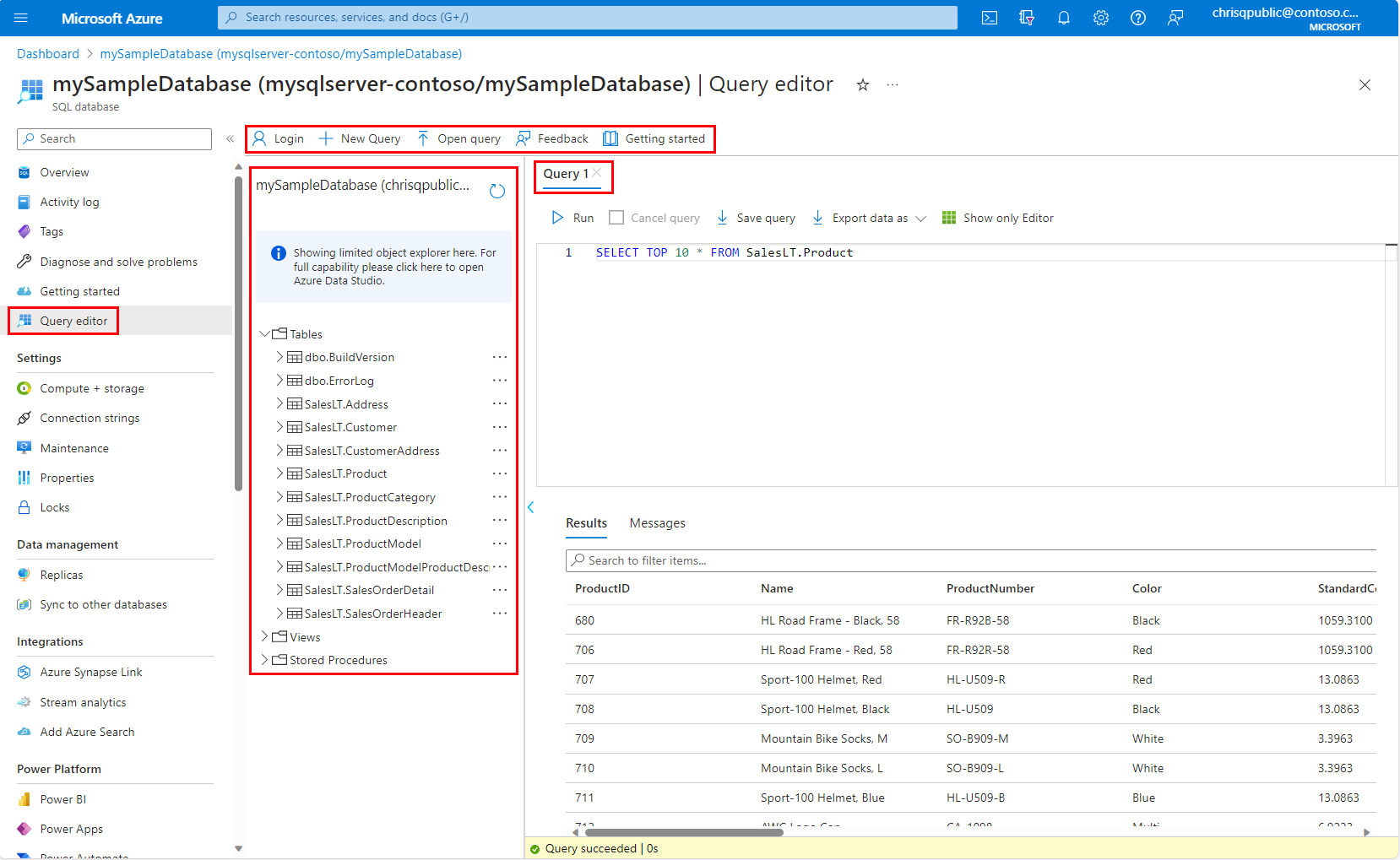

Query interfaces allow administrators and developers to retrieve, update, and manage structured data efficiently.
Keeps business data organized
Improves decision-making with reliable insights
Enhances application speed
Protects critical information
Supports business growth
Reduces operational risks
Without effective database management, handling large volumes of information becomes difficult and inefficient.
E-commerce platforms storing product and customer data
Banking and financial systems
Healthcare record management
Mobile and web applications
Inventory tracking systems
Analytics and reporting platforms
Database management is a critical component of any successful digital infrastructure. By implementing a reliable database system, businesses can ensure data security, improve operational efficiency, and prepare for future expansion.
Investing in professional database management helps organizations stay competitive, data-driven, and ready for long-term success.
Your email address will not be published. Required fields are marked *